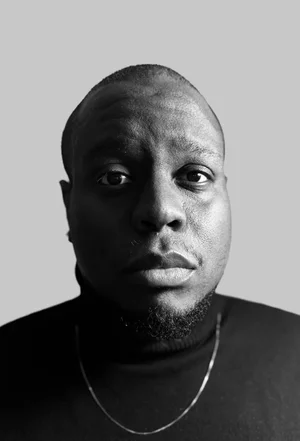
When Dating Feels Fake: the Intimacy Gap for Bi+ Black Men
Understanding what happens when connection exists but belonging still feels uncertain
People often assume bisexuality creates more options.
On the surface, the assumption almost sounds logical. Attraction to more than one gender appears to expand the number of possible relationships a person could have. More people may seem like more opportunities, and more opportunities can appear like more connection.
The experience many people describe can feel very different.
Options and belonging are not the same thing.
A person can have opportunities for connection while still feeling disconnected from the structures surrounding those connections. The challenge may not always involve finding people. The challenge may involve finding spaces where a person no longer feels responsible for constantly translating himself.
This may be part of what creates an intimacy gap for many bi+ men.
The First Script We Inherit
Long before people begin dating, many inherit ideas surrounding what relationships are supposed to look like. Family structures, religion, culture, media, and community expectations often introduce these ideas early in life.
For many Black men, those expectations can include assumptions surrounding masculinity, emotional expression, partnership roles, and responsibility. Strength may become associated with emotional restraint. Vulnerability may become treated as weakness. Relationships can arrive carrying expectations before people ever have the opportunity to decide whether those expectations feel authentic.
People often inherit relationship roles before they inherit language for questioning them.
Many people grow up inside these structures without recognizing they are structures at all. The expectations simply begin feeling natural because they have always been present.
Freedom Can Carry Expectations Too
People sometimes assume that entering LGBTQ spaces automatically removes social expectations. Communities, however, often develop norms and expectations of their own.
Ideas surrounding visibility, identity, presentation, dating culture, and community participation can emerge in ways that shape experience. Expectations do not always appear as rules written on walls. Sometimes they appear more quietly through assumptions surrounding what people should want, how people should identify, or how relationships are expected to function.
Communities attempting to create freedom can unintentionally create expectations of their own.
The issue may not always involve rejection from either world.
The issue may involve translation.
Existing Between Structures
Fluidity sometimes exists in tension with systems built around certainty.
Many relationship structures assume people arrive with clearly defined categories, clearly defined roles, and clearly defined destinations. Human experiences do not always unfold that neatly.
Some bi+ men describe moving between different spaces while constantly adjusting parts of themselves to fit expectations surrounding them. Different conversations may require different explanations. Different environments may feel like they require different versions of self.
Over time, constantly adapting can become exhausting.
The loneliness many people describe may not always come from being physically alone.
Sometimes loneliness appears when a person feels present but not fully understood.
The Intimacy Gap
Research has consistently shown that bisexual populations often report elevated rates of psychological distress, loneliness, and suicidality compared with heterosexual and gay or lesbian populations. Researchers frequently point toward experiences involving invisibility, stigma, invalidation, and reduced belonging as contributing factors.
The conversation becomes important because these experiences are often misunderstood.
Many people assume bisexuality means having more doors available.
Sometimes the experience can feel more like standing in a hallway where none of the doors feel completely built for you.
The challenge may not simply involve finding someone to love.
The challenge may involve finding spaces where connection does not require constant adaptation.
Why Community Matters
My name is Robert Saint Michael, and I am a Behavioral Health Strategist and founder of Bi+ Black Men. Through building this community and listening to conversations surrounding identity, relationships, masculinity, and belonging, one pattern continues appearing: many people are not necessarily searching for instructions on who they should become.
Many people are searching for spaces where they no longer feel responsible for performing.
Perhaps emotional intimacy becomes easier when people stop asking whether they fit inherited scripts and begin asking whether those scripts were ever designed to hold the complexity of human experience in the first place.
References
American Psychological Association. (2023). Sexual Orientation and Gender Diversity Resources.
Bostwick, W. B., Boyd, C. J., Hughes, T. L., & McCabe, S. E. (2010). Dimensions of sexual orientation and the prevalence of mood and anxiety disorders in the United States. American Journal of Public Health, 100(3), 468–475.
Feinstein, B. A., Dyar, C., & London, B. (2017). Are outness and community involvement risk or protective factors for alcohol and drug abuse among sexual minority women? Archives of Sexual Behavior, 46, 1411–1423.
Ross, L. E., Dobinson, C., & Eady, A. (2010). Perceived determinants of mental health for bisexual people. Journal of Bisexuality, 10(2–3), 139–156.
Meyer, I. H. (2003). Prejudice, social stress, and mental health in lesbian, gay, and bisexual populations: Conceptual issues and research evidence. Psychological Bulletin, 129(5), 674–697.
About the Author
Robert Saint Michael is a Behavioral Health Strategist and founder of Bi+ Black Men, a community initiative focused on creating safe, culturally grounded spaces for bi+ Black men through dialogue, education, and shared experience. His work explores the intersection of identity, masculinity, relationships, behavior, and community with an emphasis on context over judgment and understanding over labels.
Learn More about Robert Saint Michael